Mother’s Q&A Panel
Throughout May the Conquering CHD is honoring Mothers by covering relatable topics through our guest blog posts. To kick off this month, we have five amazing moms of children diagnosed with CHD joining us for a Mother’s Q&A Panel.
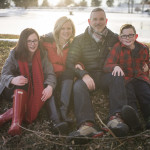

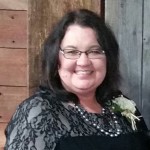
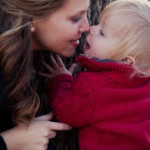
Thank you for taking the time to share with us! Let’s get started with introductions. Can you tell us a little bit about yourself?
Jennifer Kasnic: I’m a wife and homeschool mom of two, one who was born with TGA (Transposition of the Great Arteries). I learn everyday from her how disabilities can be overcome. My husband, David Kasnic, is co-founder of CCHD, and tireless advocate for Congenital Heart research.
Esther Kinney: I’m a mother to four sons and one daughter, and a registered nurse since 2009.
Gina Ten Pas: I’m mother of 4 year old John, diagnosed with HLHS, from West Des Moines, IA.
Sara Schuh: I’ve been married for 18 years to my husband Tim and we have 3 kids, 2 girls and a boy, who keep us very busy in Wisconsin! I’m grateful for all of the inspiring kids and families we have met. When I’m not doing kid stuff I spend my days at Just Orthodontics where I get to work with an incredible group of people as we create beautiful smiles for our patients of all ages.
Stephanie Dorko Austin: I’m a North Carolina native, and live in Raleigh with my husband Will and our awesome and amazing daughter, Maggie. I work as a political fundraising consultant and serve on the Board of Trustees of Follow the Child Montessori School and the development committee of the Frankie Lemmon School.
First of all, how was your child diagnosed with CHD?
Jennifer: Piper was “blue” when she was born, so she was put on a ventilator then transferred to Children’s Hospital where she was diagnosed with Transposition of the Great Arteries (TGA).
Esther: During the routine growth ultrasound, the perinatologist noted that the left side of my daughter’s heart was smaller than it should be, so he ordered a fetal ultrasound, which is where we received the diagnosis.
Gina: It was a routine ultrasound around 20 weeks gestation. You know, the one when you find out whether a baby boy or girl is joining the family. The days following diagnoses were very sad but we were happy to discover that it was a little boy growing inside me.
Stephanie: One day after her birth, she had a heart murmur.
Sara: A disturbing heart murmur was found at a doctor’s appointment for strep throat and after several more appointments her CHD was discovered. She was 4 ½ years old.
Looking back on finding out your child’s diagnosis, what is one thing you’d tell a mother who has just learned her own child has a CHD?
Stephanie: You are not alone, there is a community of heart mamas who can and will help you.
Jennifer: Ask your doctor a lot of questions to ease your anxiety. There are many good outcomes, so try to stay positive.
Esther: Initially, I would listen and allow her to lead the conversation. I would answer as many questions as I could, and then help her find answers for the others.
Sara: Take care of you, which will be the furthest thing from your mind during this time. The last thing you do is think about what you need, but your child and your family will need you to be at your best.
What ways do you manage your worry or stress from dealing with CHD?
Sara: Talking to other parents and hearing their journeys, what has worked for them and what has not. Sometimes it’s hard to know which way to turn and someone may have just the answer you need, or be able to send you in the right direction for support.
Esther: Connecting to others through Facebook support groups and the subsequent friendships are the primary ways I have dealt with the stress. I also continue to engage in regular therapy with a psychiatrist and psychologist.
Gina: I cling to God’s promises. I remind myself that I am right where I need to be and I’m caring for one amazing fighter.
Jennifer: Talking with others with CHD children, keeping current on Cardiology appointments, and prayer.
And, what do you love most about your child?
Esther: Every single thing! If I had to choose one thing, I would pick her smile. The right side of her face is permanently paralyzed, but her lopsided smile is absolutely perfect!
Stephanie: Her huge personality and awesome sense of humor.
Jennifer: Piper is quiet but has a true fighting spirit. She is kind and patient.
Gina: I love my son’s humor. We are still celebrating April Fool’s Day at our house!
Sara: How her strengths shine so brightly through her eyes right to her very compassionate soul. Her concern for others is heartwarming!
Is there anything you wish you could have done differently with your child’s care?
Jennifer: I wish I could have been informed at birth of the severity of the problem, instead of waiting for hours without my child. I also wish that I could have held her more before she was transferred to Children’s.
Gina: I wish I would have found a trusted team of doctors sooner than what I did. Everyone among the knowledgeable was telling me to get a second opinion, but I was too overwhelmed to act.
Esther: I would not have allowed providers to make me feel badly about choices I made regarding the location of her care.
Sara: Looking back I wish that I would have asked more questions and reached out to other families for their support.
What has been your biggest struggle in dealing with CHD?
Esther: Juggling the responsibilities of motherhood. In addition to my daughter, I also have four sons. I wanted to make sure that they didn’t feel lost in the chaos.
Gina: Navigating the complexities of the pediatric heart world. I’ve been in this world for five years now and I still can’t wrap my mind around it.
Sara: Like many, I felt guilt that I did something wrong, that this happened to her and that she went undiagnosed for so long fighting to survive and through all those appointments and my endless questions somehow her CHD was still missed.
Jennifer: Probably the developmental delays that we have experienced but were not warned about. It was frustrating and I felt at fault.
As CHD impacts the entire family, what ways have you supported your spouse or CHD siblings?
Jennifer: Trying to stay positive in tough situations. As for siblings, trying to make them feel special at other times when they are not receiving as much attention.
Esther: I translate medical terminology into understandable terms. I researched the child life program at the hospital and connected my children with the resources, and I coordinated therapy for one of my sons – he no longer needs it.
Gina: I let my other children know that they too are of utmost importance to me and I love them very much. We have family meetings when we need to pull together for our little heart warrior.
Sara: Keeping everyone on the same page and informed about what’s happening with any of her appointments.This alleviates some of the fears siblings and other family members may have. We also make time for her siblings with us. They were feeling like she was getting all this special time with us, even if it was for doctor’s appointments.
How do you handle disappointments from any physical limitations your child may have, especially when your child compares him or herself to peers?
Jennifer: Try to remind her that she is special just the way she is, that she has overcome a lot and even though some things are harder, she is not a failure.
Gina: I’m not gonna lie, this is tough to see. He’s only four and he has now caught up with his peers but when he was recovering from his stroke, it was unbearable at first. I would give myself a mental pep-talk, reminding myself that God is one step ahead of us and doing what’s best for all of us.
Sara: She gets frustrated when her body cannot keep up with her, but I continue to encourage her to do as much as she can. We try to encourage her that everyone has different skills and to use what abilities she can contribute.
Esther: My daughter is not old enough to be aware of any differences. I expect the most difficulty will come from the social stigma associated with her face instead of her heart condition.
How do you prepare your children for questions or comments about their scar(s)?
Stephanie: We have always talked openly about her surgery and her scars. My supportive sister who has Tetralogy of Fallot (TOF) has never had any trouble with hers, so I have been very open and honest about it.
Gina: Just this morning, for the first time, I heard my 4-year-old heart warrior tell his older brother that he doesn’t like his scars anymore. I melted when I overheard his older brother say, “John, that’s what makes you tough! I wish I had cool scars like that!”
Sara: Her scar is a very big struggle for her and she goes to great lengths to cover it up any chance she gets. We continue to tell her that it is a sign of her strength and that we, and those who love her, are very proud of her. That scar may not feel like a gift but it is. The gift of life! As a mom, it is a reminder that when she’s upset about it, to try to be understanding of just how different it can make her feel and to be supportive as she learns to tell her story and share her journey to help others who struggle as she does.
Jennifer: Explain to her about her surgery (why the scar is there), that it is a sign that she survived and she should not be ashamed of it. Be proud!
As CHD is a lifelong condition, what ways are you preparing your children to care for their hearts into adulthood?
Jennifer: Educating her on how to care for her own general health, but also to keep up Cardiology appointments and dental appointments. Her health is not something that she can overlook.
Gina: When I give him his medicine, I say the individual name of each med right before I give it to him. Since some of these meds will be with him throughout his life, I think it’s good for him to learn the name as soon as possible.
Stephanie: We talk a lot about healthy living and we make her annual cardiology appointments as normal as possible. Having my sister as a role model helps a ton.
Sara: We encourage her to ask any questions she has at any of her doctor’s appointments and let her know how important her care is to us, but also how she must feel comfortable with talking to the doctors and their teams about what makes her heart different, and that working as a team is the best for her so her concerns matter.
And lastly, what is the greatest thing your child with CHD has taught you?
Jennifer: Be brave in the face of overwhelming odds and trust others.
Esther: Never underestimate a mother’s intuition when it comes to the medical needs of their child.
Stephanie: To treasure every minute and every day with her and with everyone I love.
Sara: That just when you think you have given everything you have somewhere deep inside you have more and that together you will get through each hurdle.
Gina: I’m humbled. I no longer have all the answers. My life is not as structured as it used to be. Somehow, in the midst of beeping machines and heart monitors, life became more peaceful, more beautiful, and more meaningful than before.
Thank you all for your insight and words of encouragement. If you’d like to join mothers, parents and those affected by CHD help conquer CHD, become a part of the CCHD community by signing up to join our network, and remember to follow us on Facebook!
One Response