The Only Woman in the Room
Representation, like medicine, has come a long way. However, there is much work to be done. In honor of Women’s History Month, Dr. Tara Karamlou, congenital heart surgeon, discusses the way in which women delicately navigate the medical climate and the important role they play, despite being in the minority.
During the second year of medical school at Baylor College of Medicine, the students were asked to select whether they were interested broadly in surgical disciplines or medical disciplines. From the time that I headed toward the ‘surgical’ room some now 16 years ago and currently as a practicing pediatric cardiac surgeon at the Cleveland Clinic, I have not regretted my decision. But, I have looked back a few times and wondered whether the road would have been a bit easier and less solitary had I headed toward the ‘medical room’. Certainly, I would have had a more robust and gender-similar peer group.
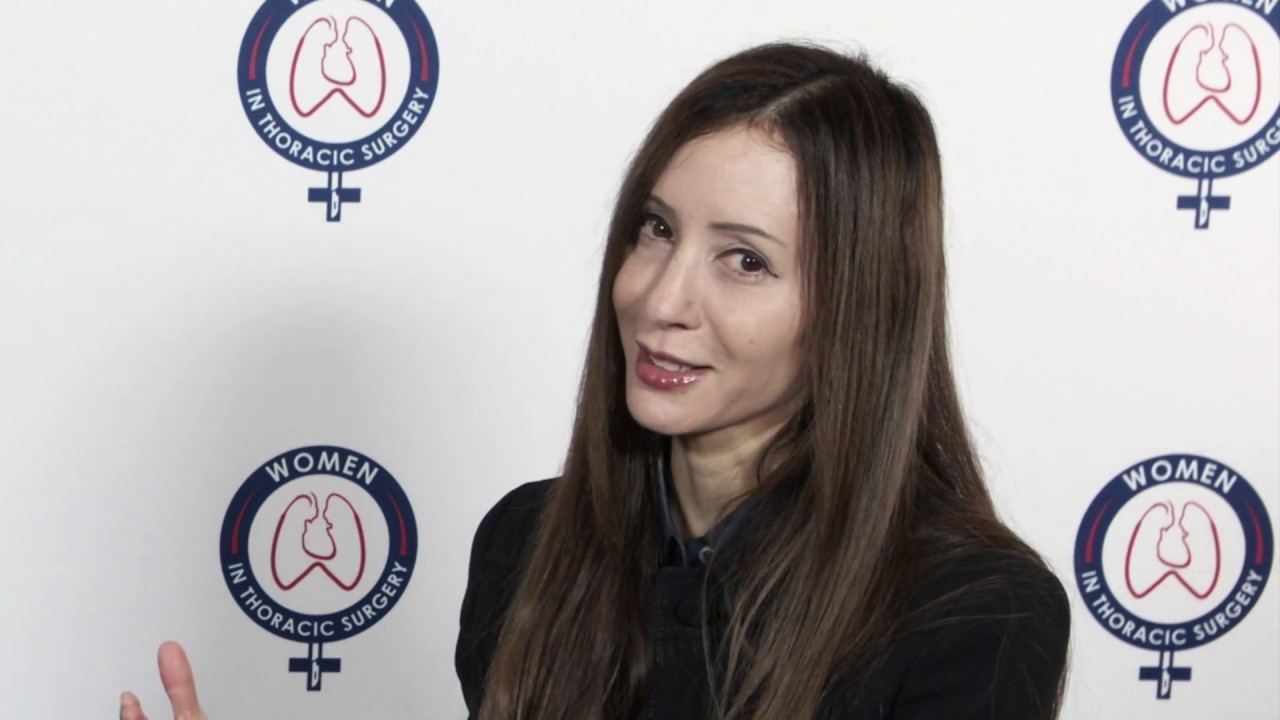
Women cardiac surgeons are a rare commodity. Since Nina Starr Braunwald became the first woman to perform open heart surgery in 1960 (now over 60 years ago), women still comprise only 6% of cardiac surgeons in the US. This percentage is even smaller in pediatric cardiac surgery, where the number of women faculty is less than 10 (1). The reasons for these gender disparities fall in several broad themes and overlap with many other male-dominated specialties. My favorite is the so-called ‘double-bind’ which is that women can be perceived as being either ‘competent but unlikable’ or ‘likable but incompetent.” (2). In my own lexicon, I think of this phenomenon as ‘having to turn into a man in order to be accepted as an equal.’ In a recent video shoot for the Women in Thoracic Surgery, I spoke about the empowering concept of ‘Maintaining your Female Identity’ as cardiac surgeons rather than adopting traditional male attributes: https://my.clevelandclinic.org/podcasts/love-your-heart/women-in-medicine

In this conversation, I related the importance of a female presence in medicine – especially in a discipline like pediatric cardiac surgery, where the bond between a mother and her child can be disrupted (possibly forever) by the need for newborn surgery. During some of these prenatal discussions, I often see an expectant mother visibly relax when she learns that I am also a ‘mom’ with my own growing children. This is not to suggest that male surgeons cannot be incredibly empathic…but that the visceral experience of motherhood can only really resonate with those who are themselves, mothers. Since I started practicing, I have had countless mothers’ of babies with severe congenital heart disease in whom I operated tell me that knowing that their surgeon was also a mother was one of the most comforting things that they heard during their entire perioperative experience. I also tell many of my mentored students, residents, and fellows that reconstructive surgical specialties, like congenital cardiac surgery, are attempts to recapitulate the normal newborn anatomy – which is inherently beautiful. Who better to appreciate and strive for aesthetic perfection than a female surgeon?
One female general surgeon mused about the celebration of the female identity in her editorial, “Pearls and Lipstick”, in which she made a habit of highlighting her femininity with two decidedly ‘girly’ accessories. I found this woman’s method to be incredibly liberating and have, as a silent nod, lived my career as a baby heart surgeon with lip-gloss and eyeliner always close by my side.

There are still many hurdles that women in cardiac surgery face on a daily basis. There are many incredible collections of these inspirational stories that highlight these challenges and can be beacons to galvanize change in cardiothoracic surgery. Joan Cassel’s book, ‘The Woman in the Surgeons Body’ and Preeti John’s book, ‘Being a Woman Surgeon: Sixty Women Share their Stories,’ are two of my own favorites.
Ultimately, the pioneering first women in medicine who came many years before my surgical journey started, are to be honored and remembered. But, this cannot be passive reminiscence and nostalgia; rather, implicit bias and gender inequities must be met with ceaseless advocacy and platinum steel. Only then, can the future woman cardiac surgeon not remain the only woman in the room.
References:
1: Gao SW et al. 60 years after the first women cardiac surgeon: We still need more women in cardiac surgery. CJC Open 3(20121):S89-S94.
2. Tinsley CH et al. Women at the bargaining table: pitfalls and prospects. Negotiation J 2009;25:233-48.

Tara Karamlou, MD, MSc, is a pediatric and adult congenital heart surgeon in the Department of Thoracic and Cardiovascular surgery. She is a Professor of Surgery at Case Western Reserve University and the Director of Research and Education in the Pediatric and Congenital Heart Surgery. Dr. Karamlou is also the program director for the congenital cardiac surgery ACGME-accredited fellowship, and was recently awarded the Sones-Favolaro award for excellence in education. Dr. Karamlou is an internationally recognized surgeon scientist, and her major research focus is on optimizing management pathways for complex congenital cardiac defects. She has published over 170 peer-reviewed publications, over 20 chapters in major surgical textbooks, and has been externally funded for over 10 years.
Representation, like medicine, has come a long way. However, there is much work to be done. In honor of Women’s History Month, Dr. Tara Karamlou, congenital heart surgeon, discusses the way in which women delicately navigate the medical climate and the important role they play, despite being in the minority.